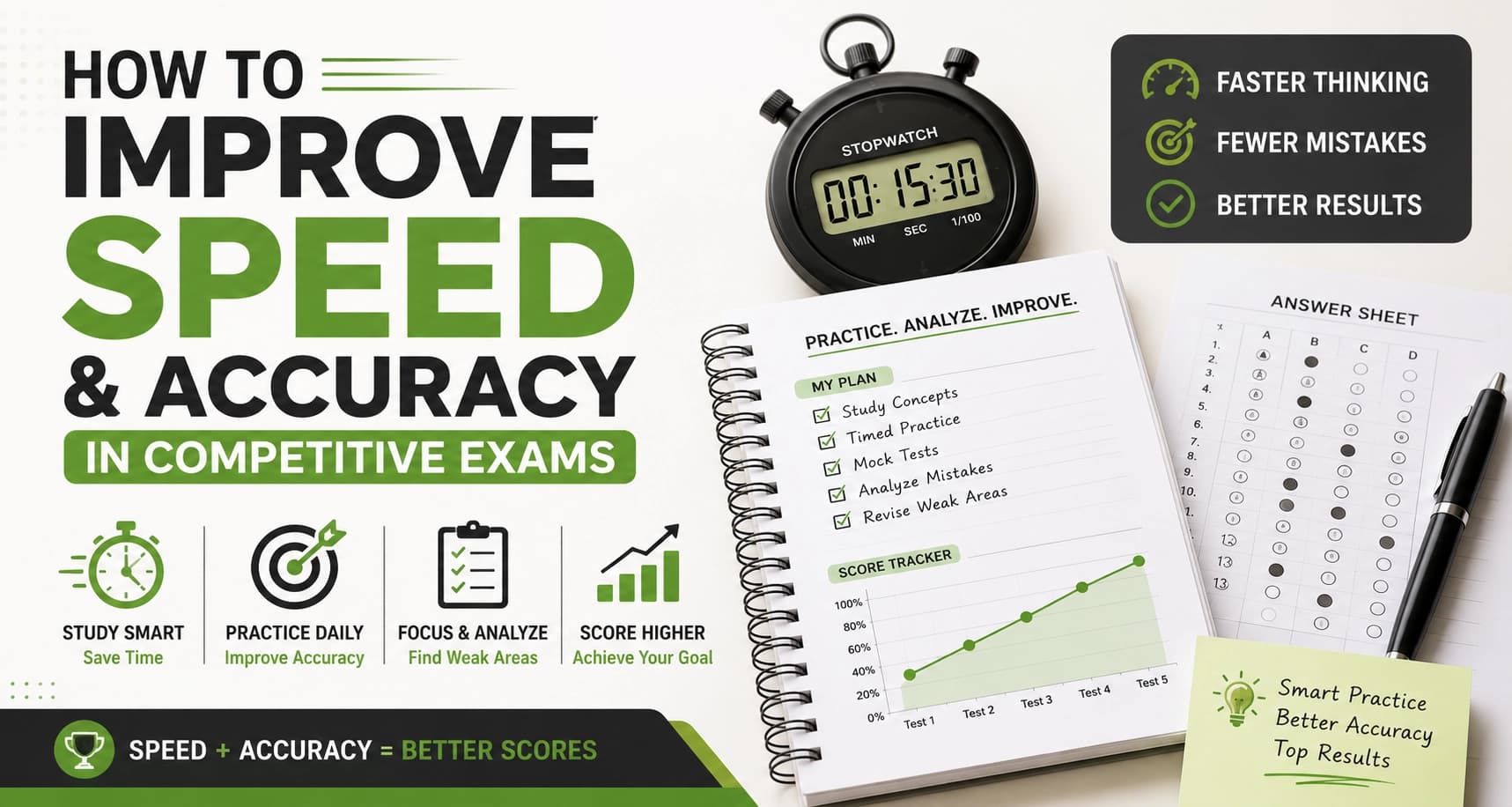
How to Improve Speed and Accuracy in Competitive Exams
A practical guide to improving speed and accuracy in competitive exams — calculation fluency, strategic skipping, an accuracy tracker, and a weekly drill to train both together.
Explore the Southwide blog
Newest first

A practical guide to improving speed and accuracy in competitive exams — calculation fluency, strategic skipping, an accuracy tracker, and a weekly drill to train both together.

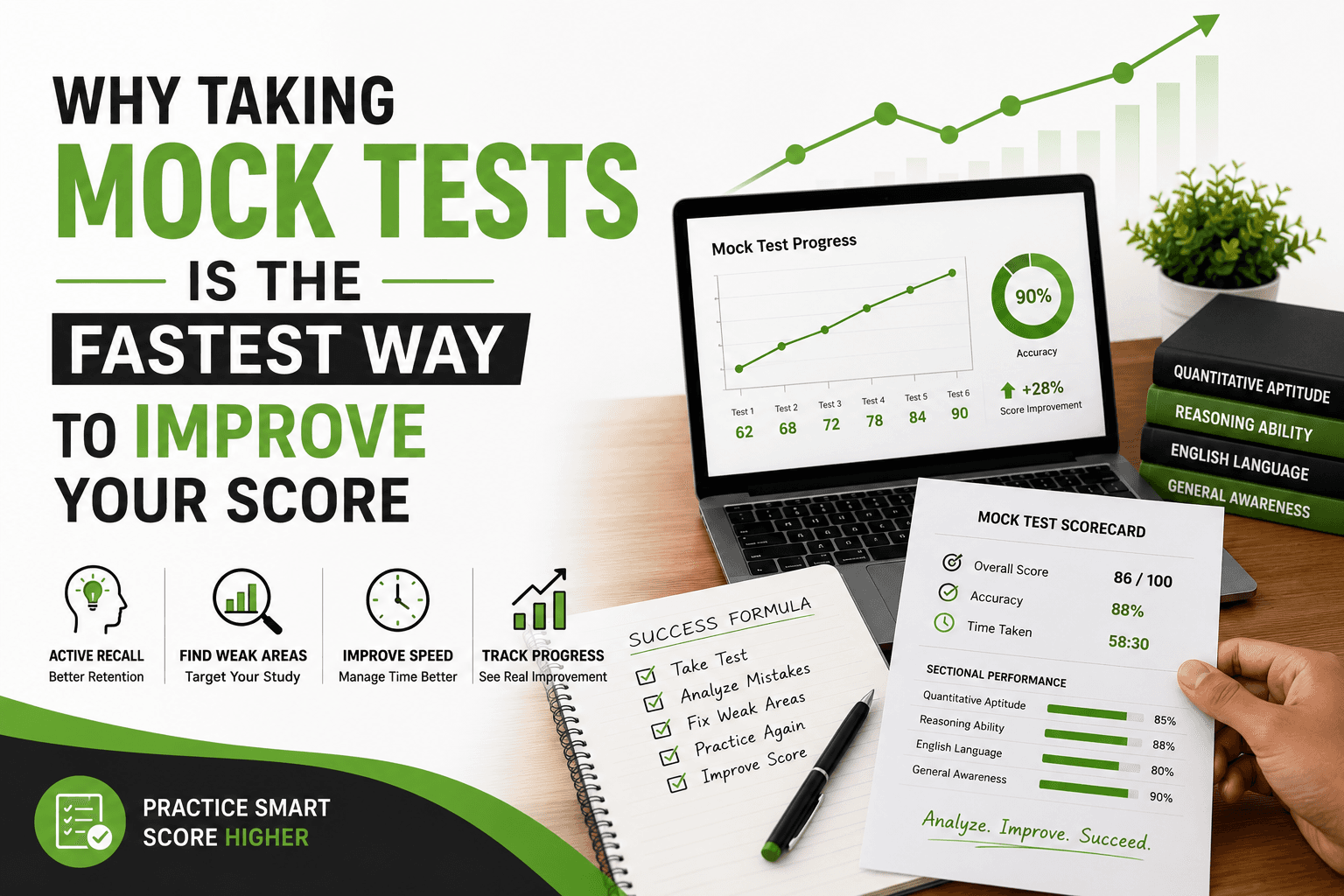
Why mock tests beat passive reading and lectures for score improvement — active recall, weak-area detection, time management, anxiety reduction, the mock test cycle, and a weekly routine to follow.

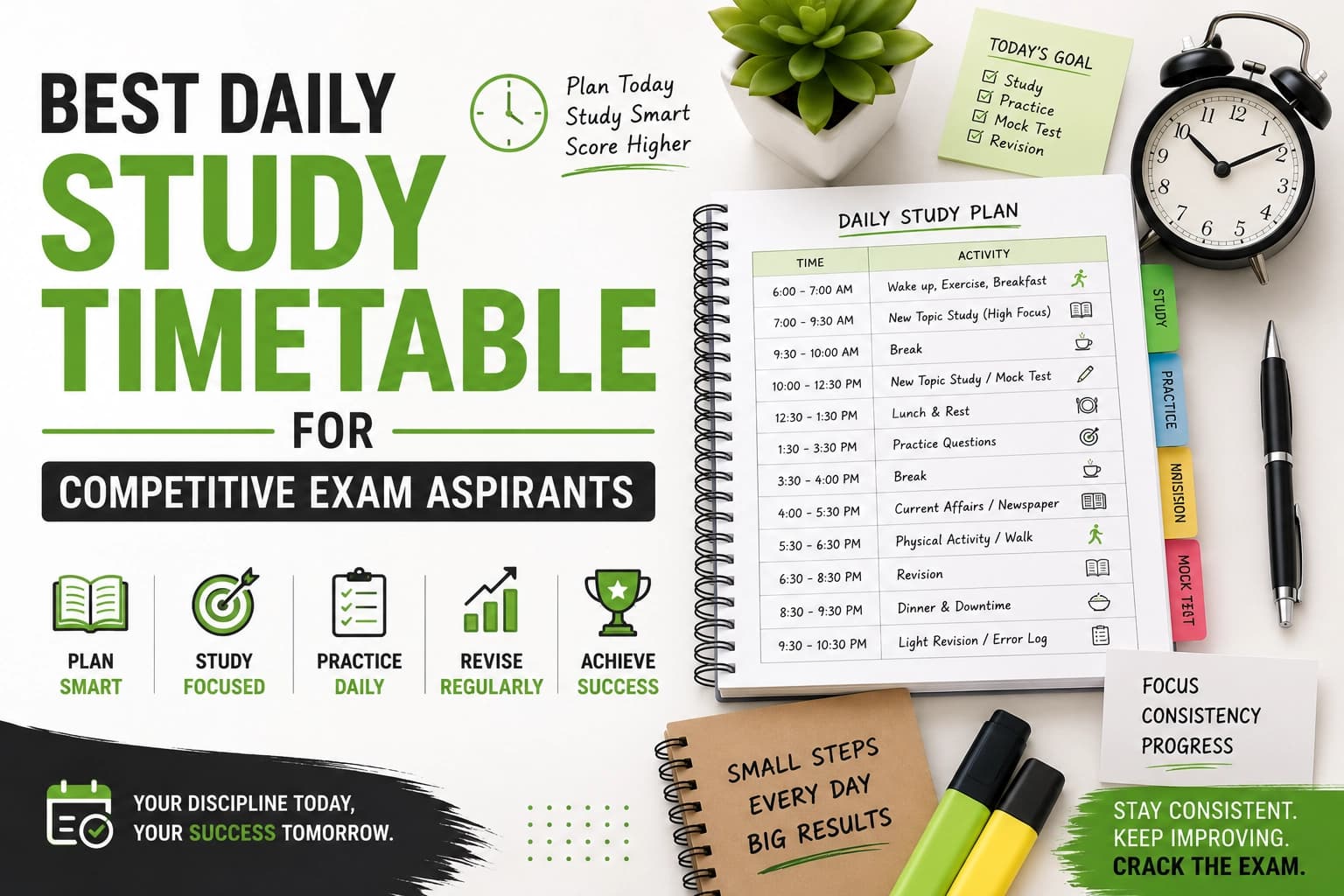
Practical, hour-by-hour study timetable templates for full-time aspirants, working professionals, and college students, plus a weekly planner, priority matrix, and a printable daily checklist.

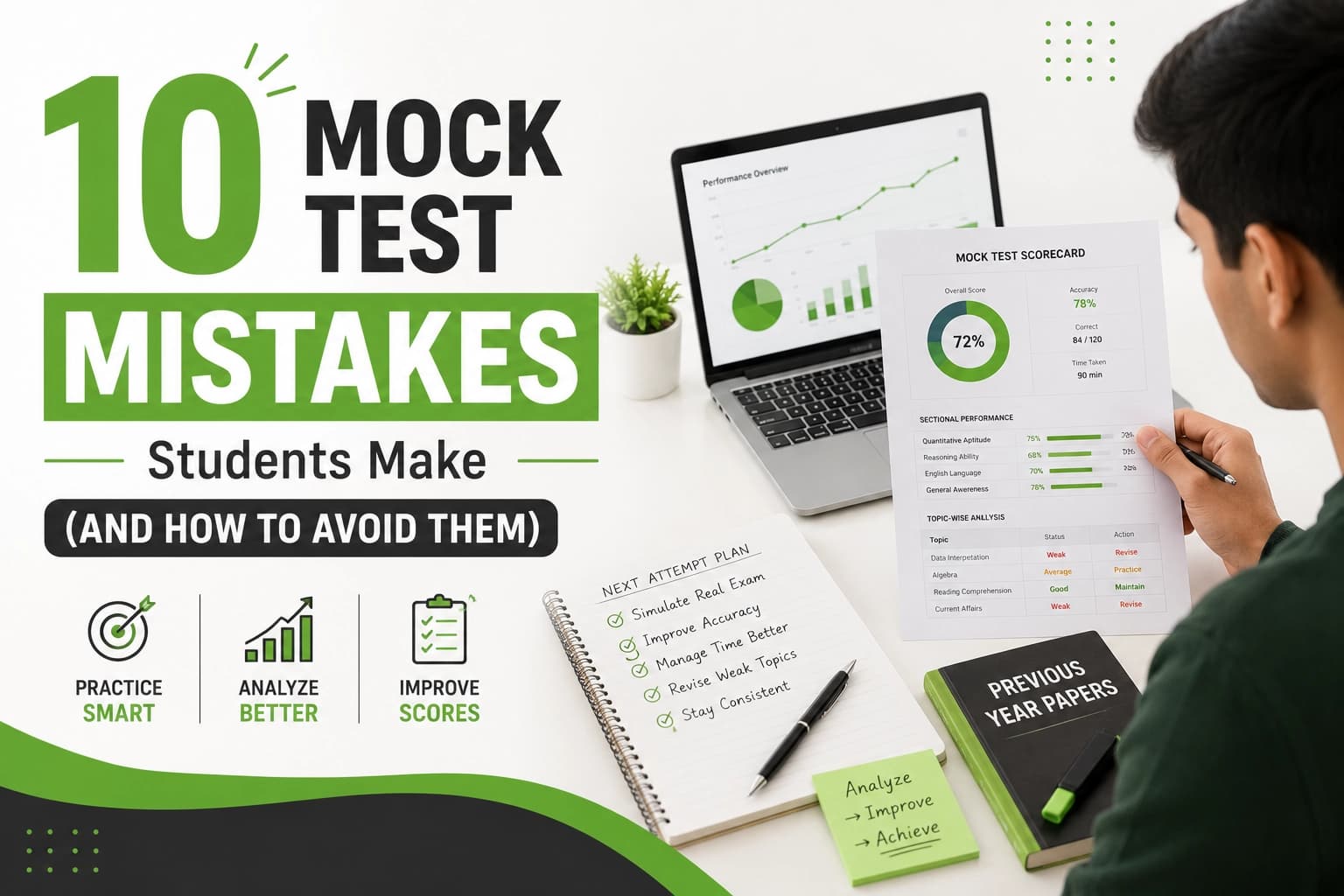
The 10 most common mock test mistakes that quietly cap your score, and exactly how to fix each one: from exam simulation to answer review to time allocation.

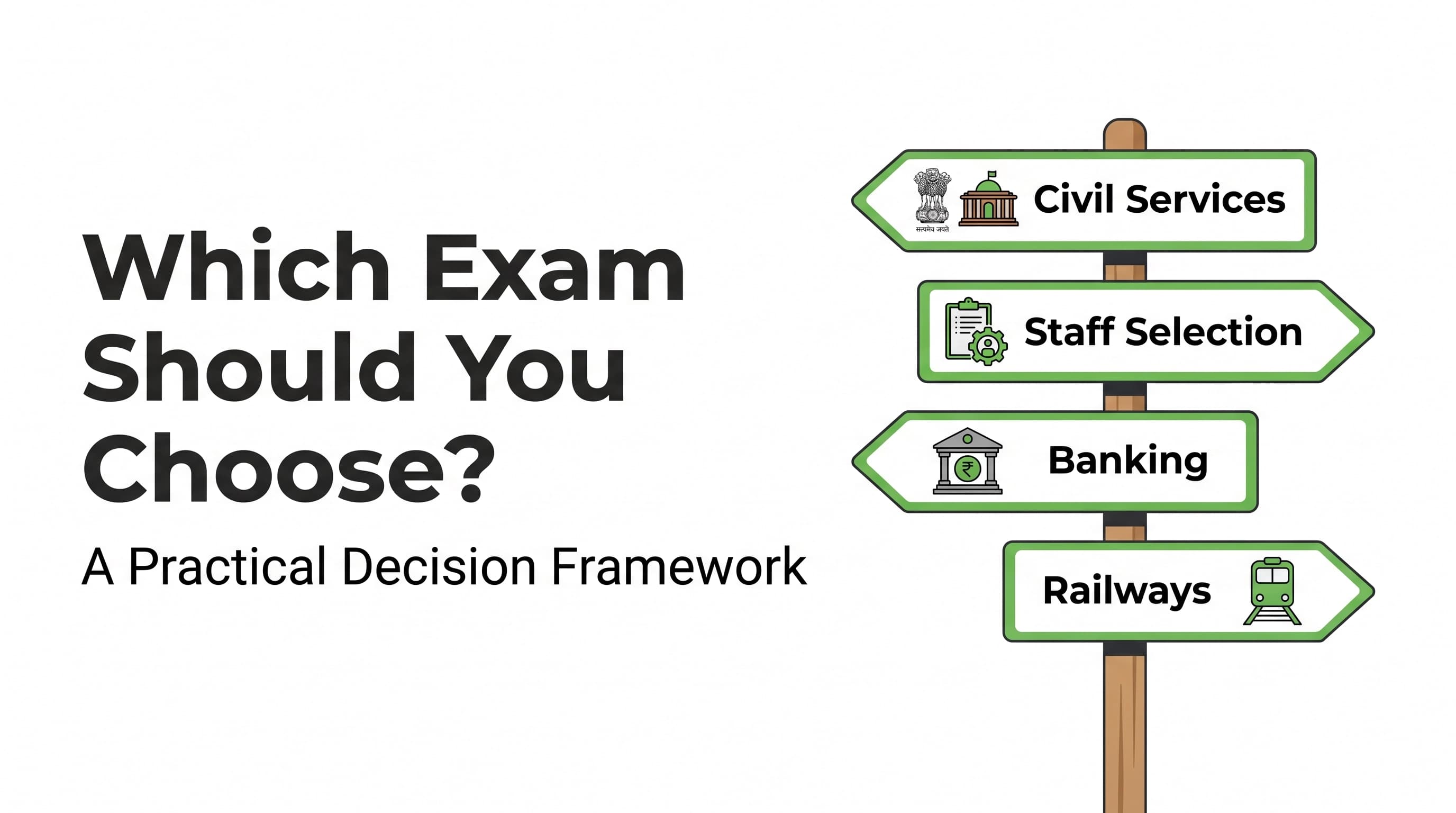
Stop preparing for every exam at once. Use this 10-factor decision framework to check eligibility, compare career realities, and choose the right primary exam.

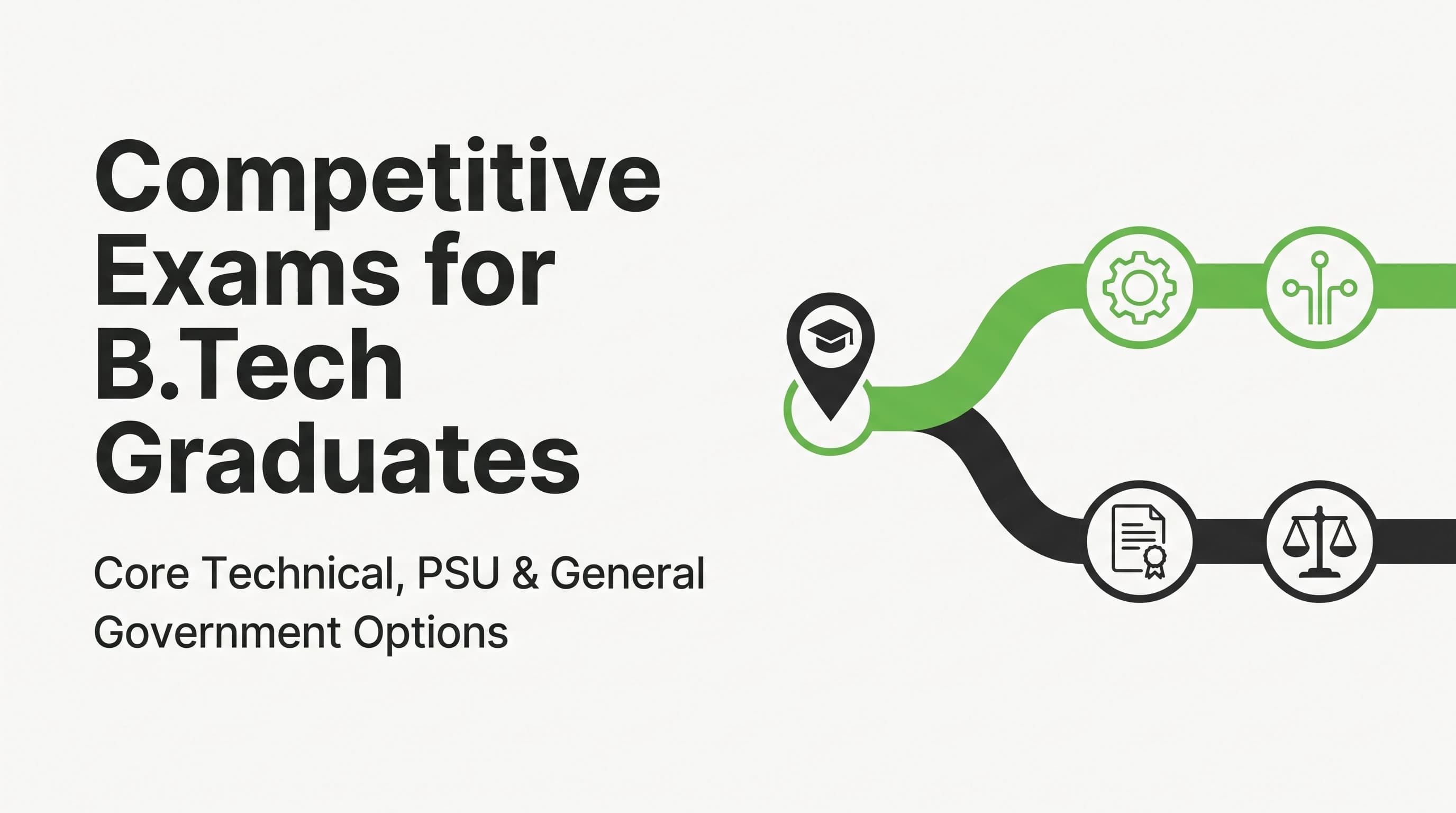
Compare technical and general competitive exam pathways for B.Tech graduates, from GATE and ESE to SSC CGL, banking, civil services and defence.

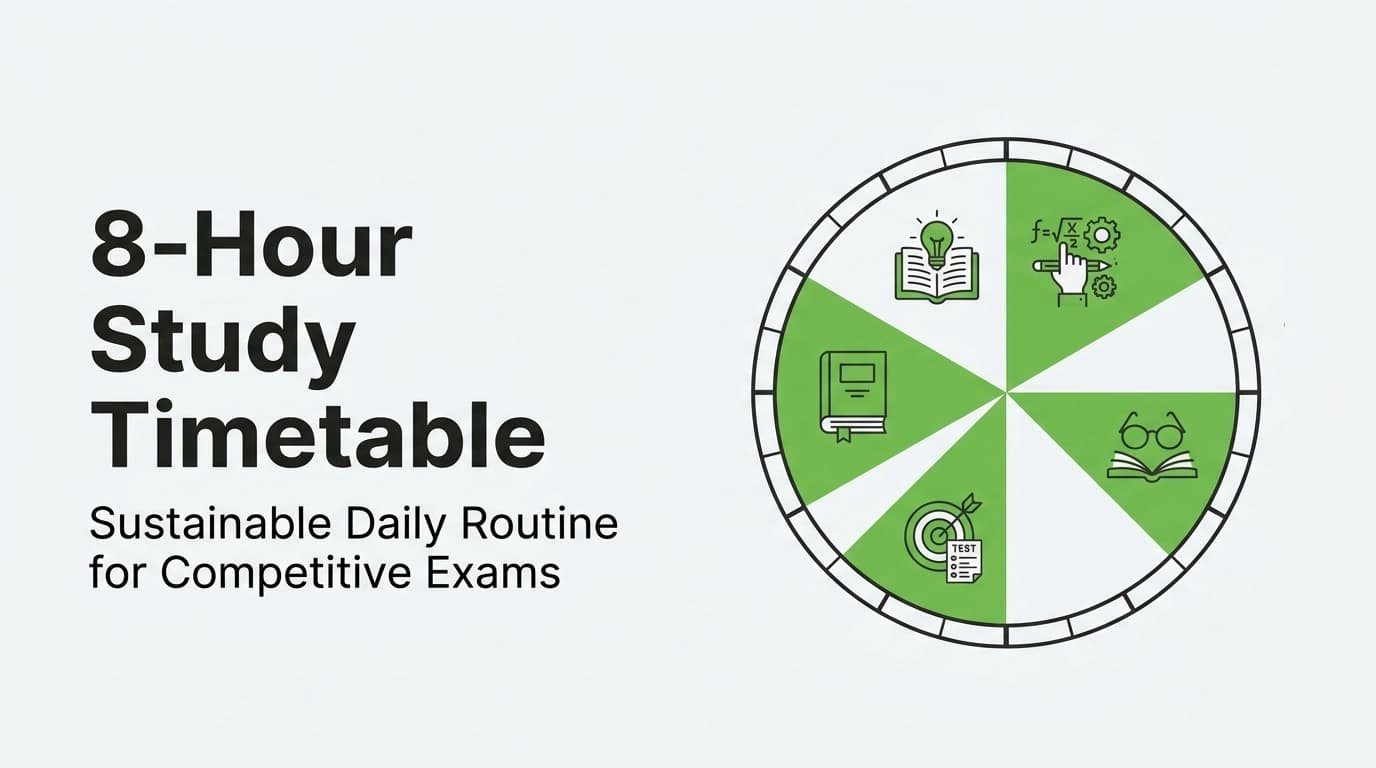
A practical 8-hour study timetable for full-time competitive-exam preparation, balancing concept learning, question practice, revision, mock tests and analysis.

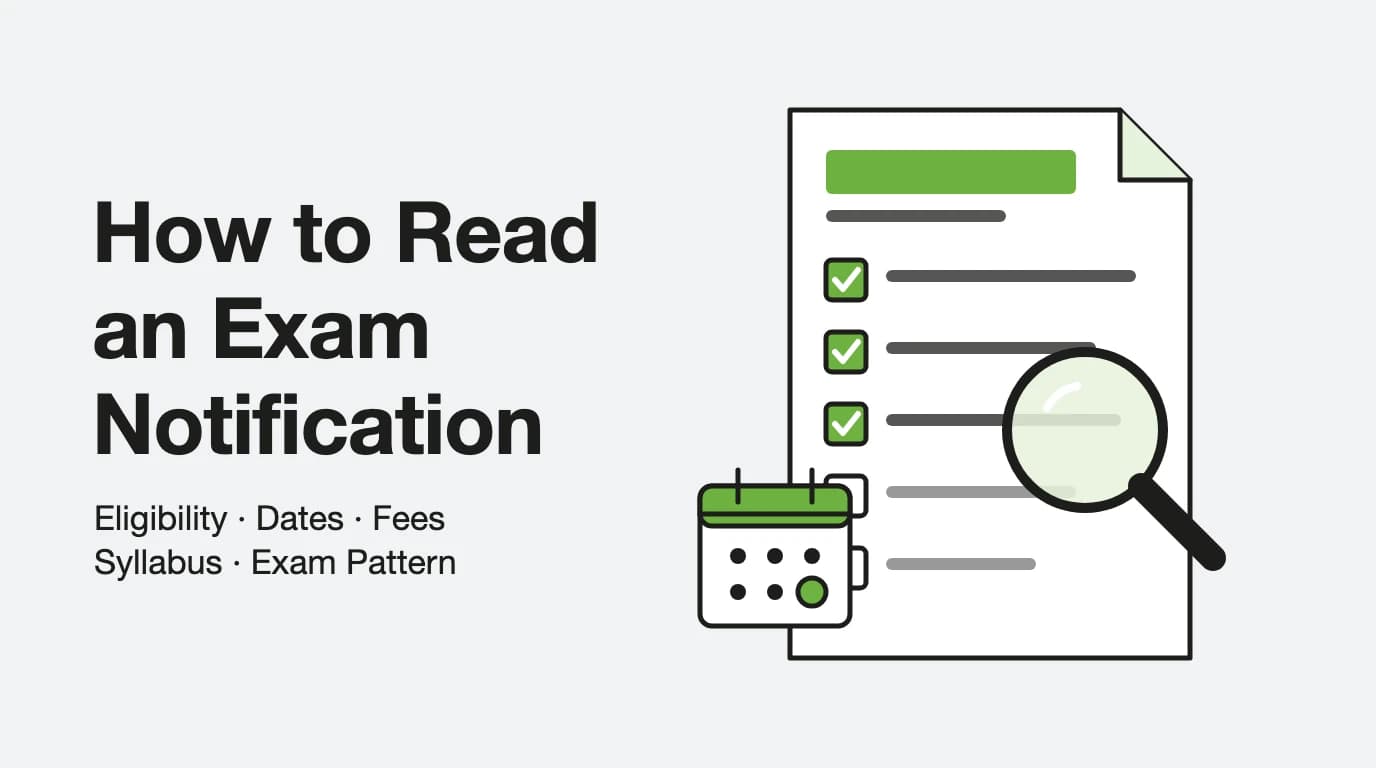
A step-by-step method for reading an official competitive-exam notification: eligibility, dates, fees, exam pattern, syllabus and later amendments, with a pre-application checklist.

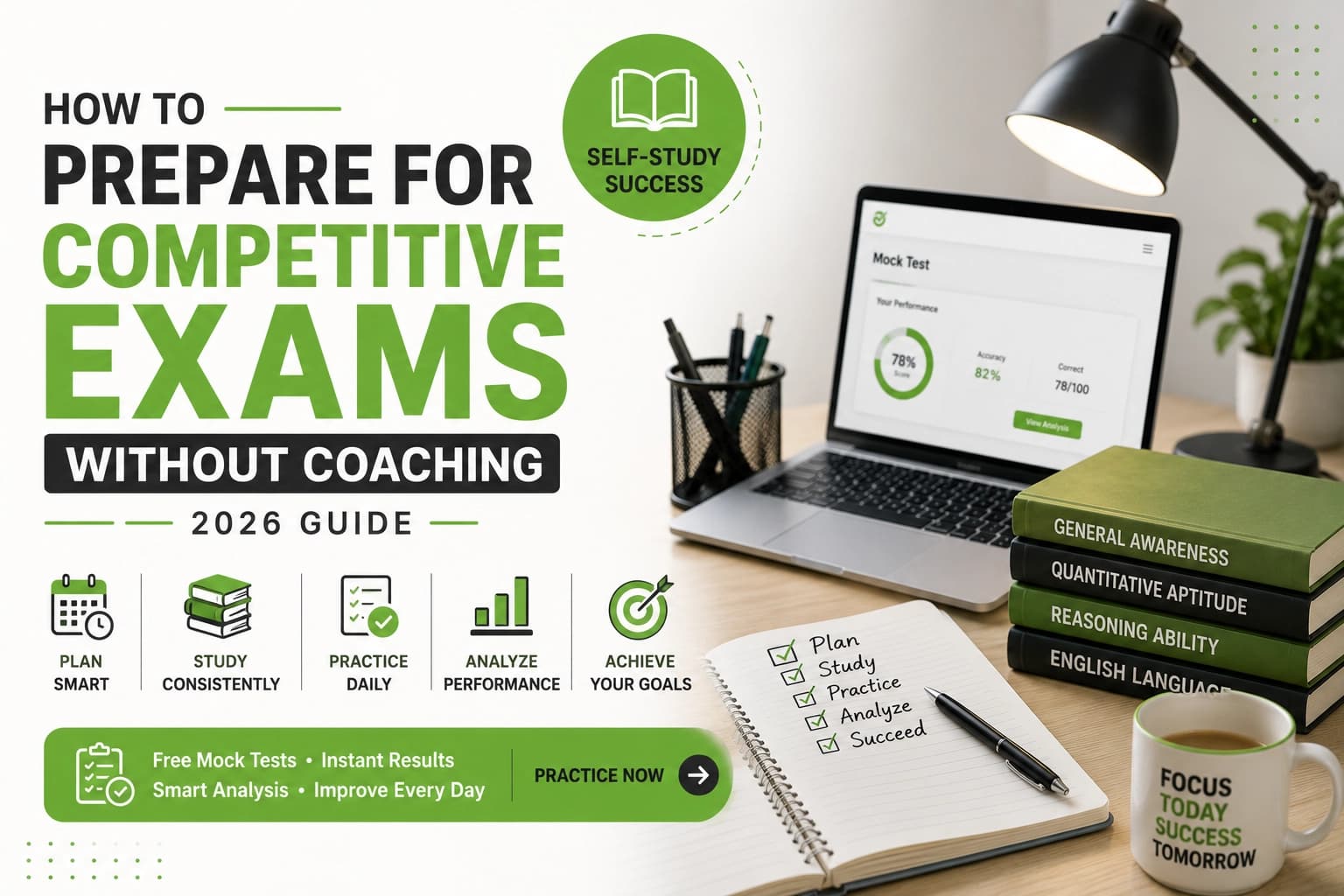
A step-by-step self-study system for cracking SSC, banking, railway, and civil services exams without joining a coaching institute: a self-study timeline, minimum resource list, diagnostic testing, and revision cycles.